LOGISTICS IN CONTEXT
BRINGING THE HUMAN SCALE TO AN INDUSTRIAL BEHEMOTH
Location
Chelsea, MA
Completion Date
2024
Size
146,000 SF
Client
Hines
Team
Eric Robinson
Kevin Deabler
Jonathan Quinn
Zack Kutchin
Zoe Wong
Amanda Plante
Nick Ruggeri
Amanda Sanders
Luke Stevenson
Collaborator
Awards
Photographer
Gordon Grisinger
Description
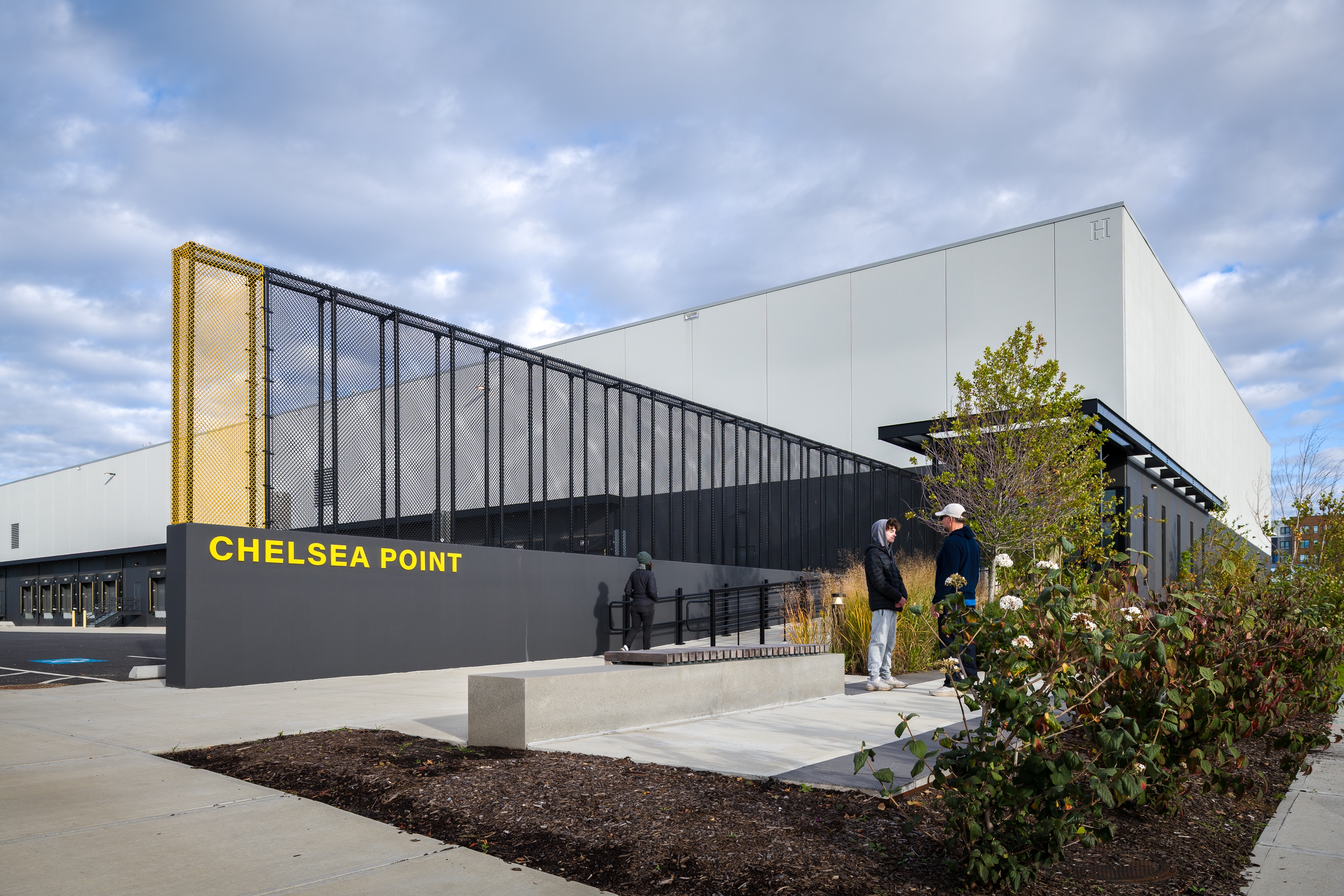
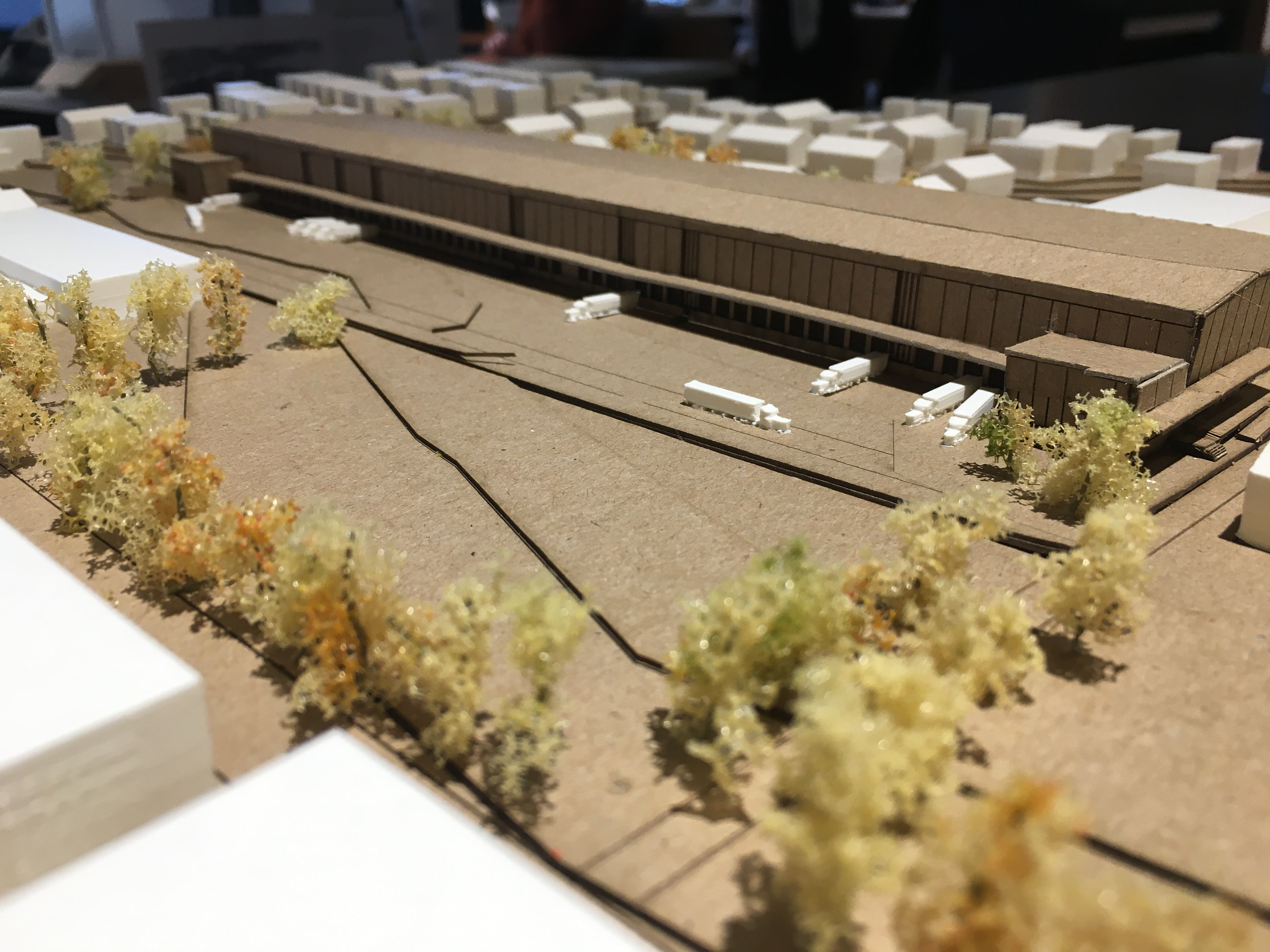
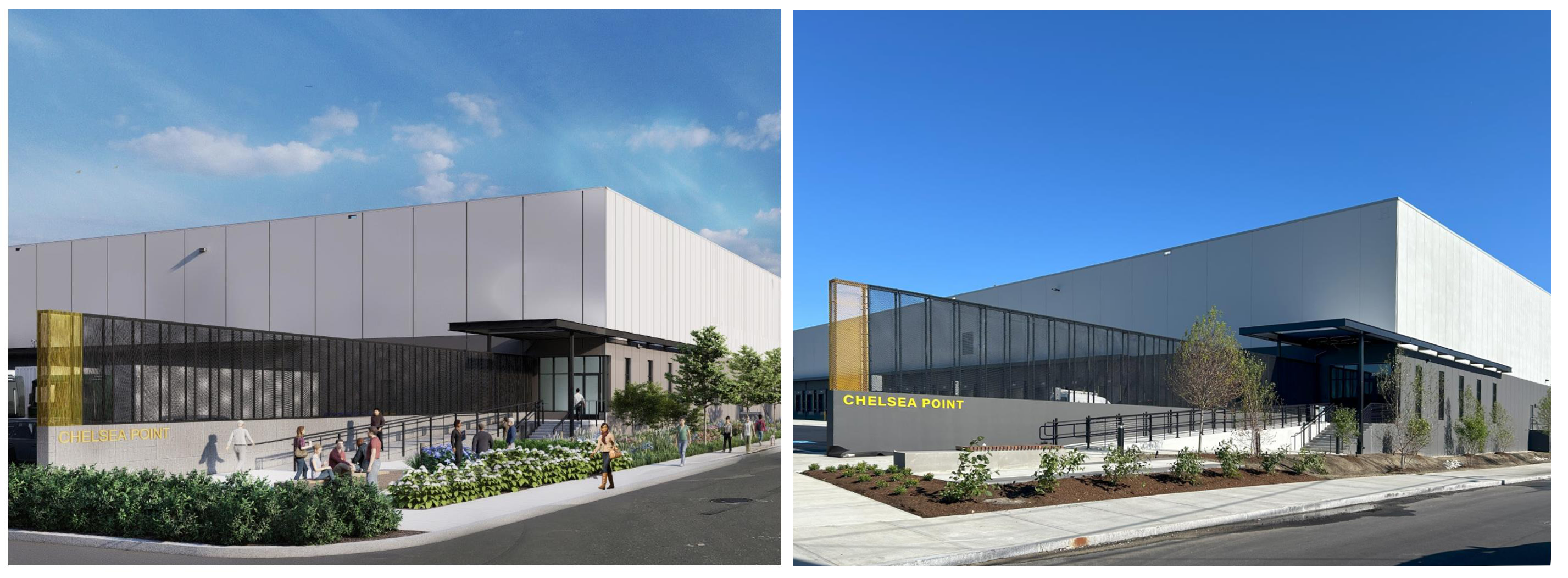
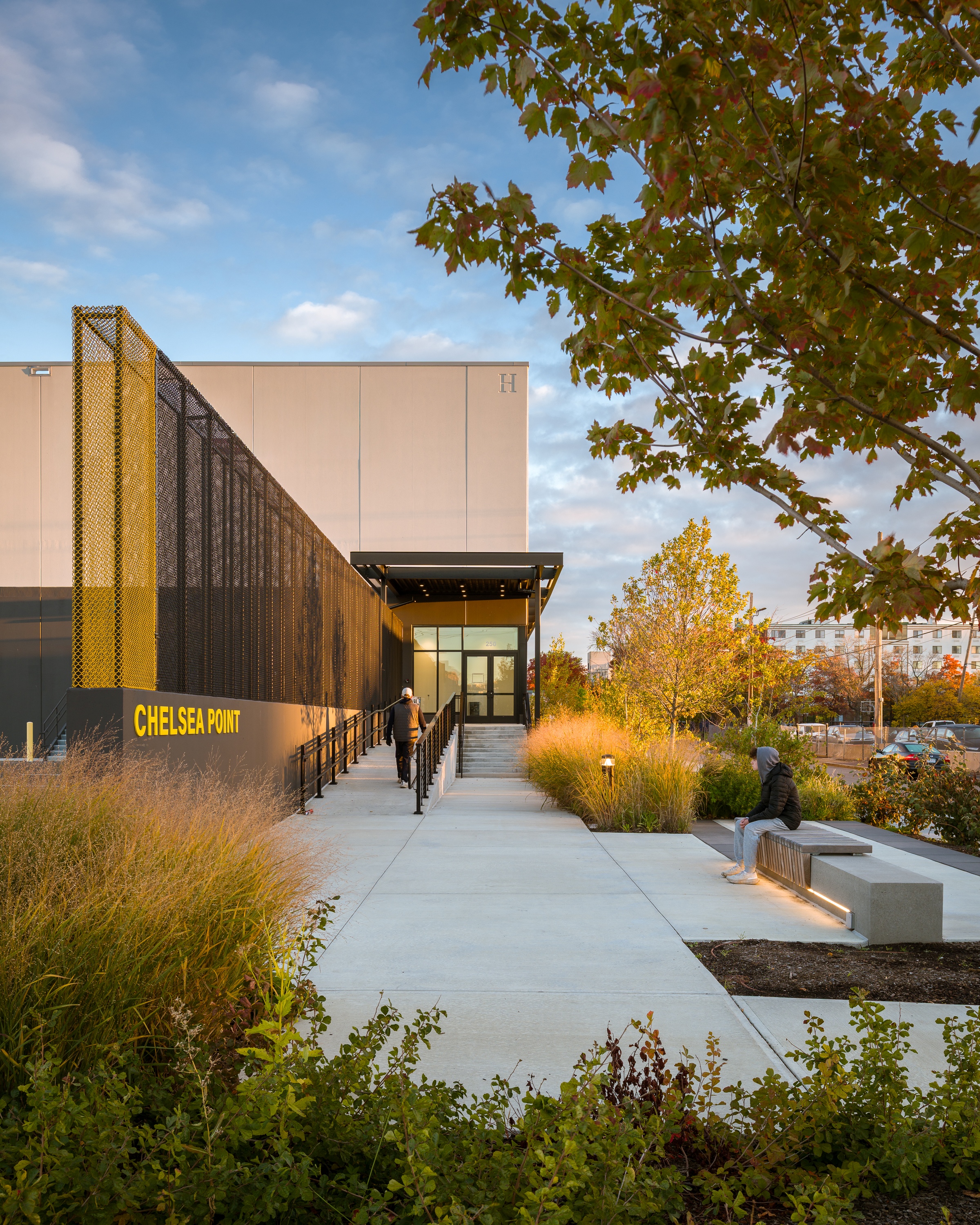
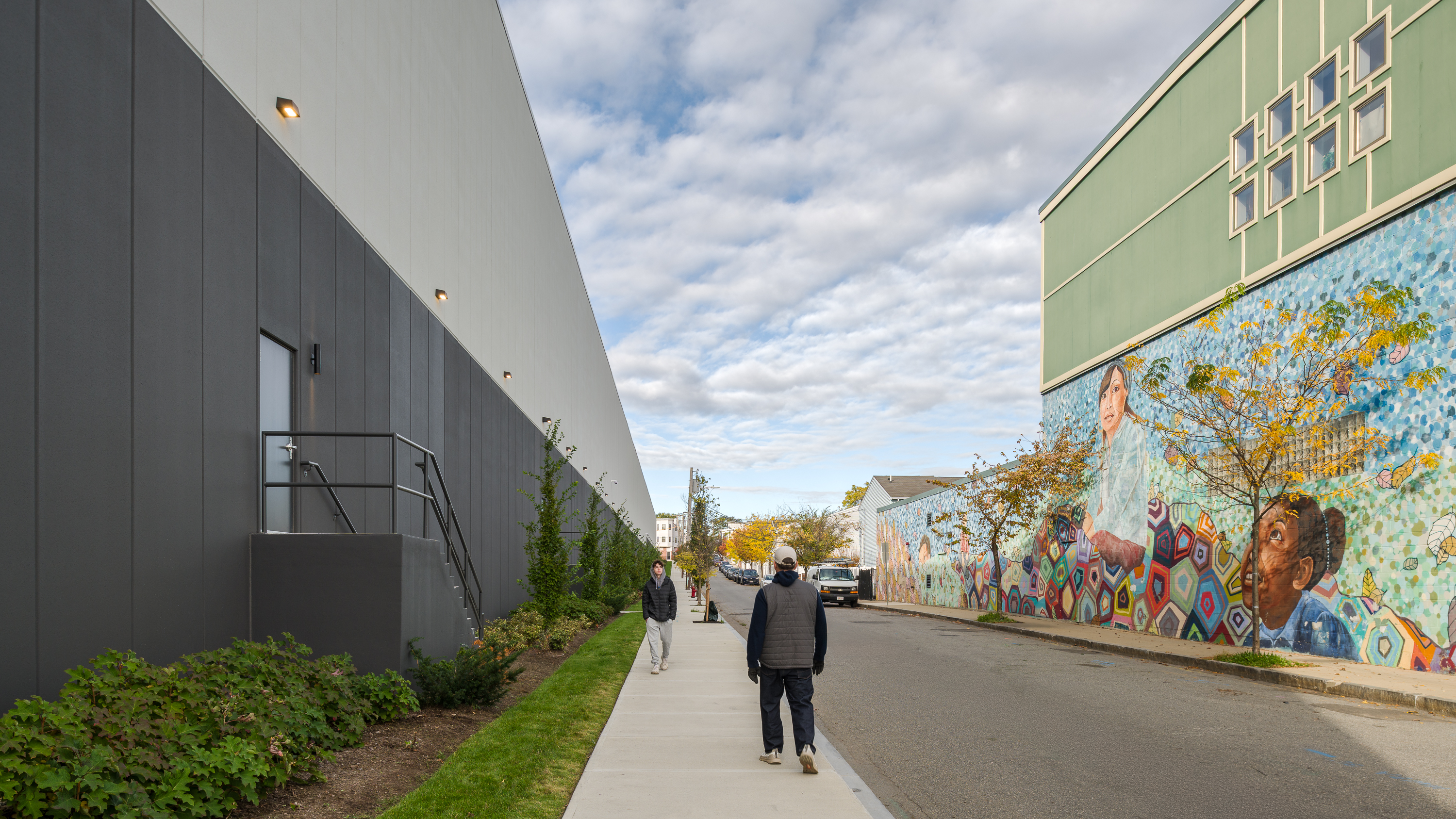
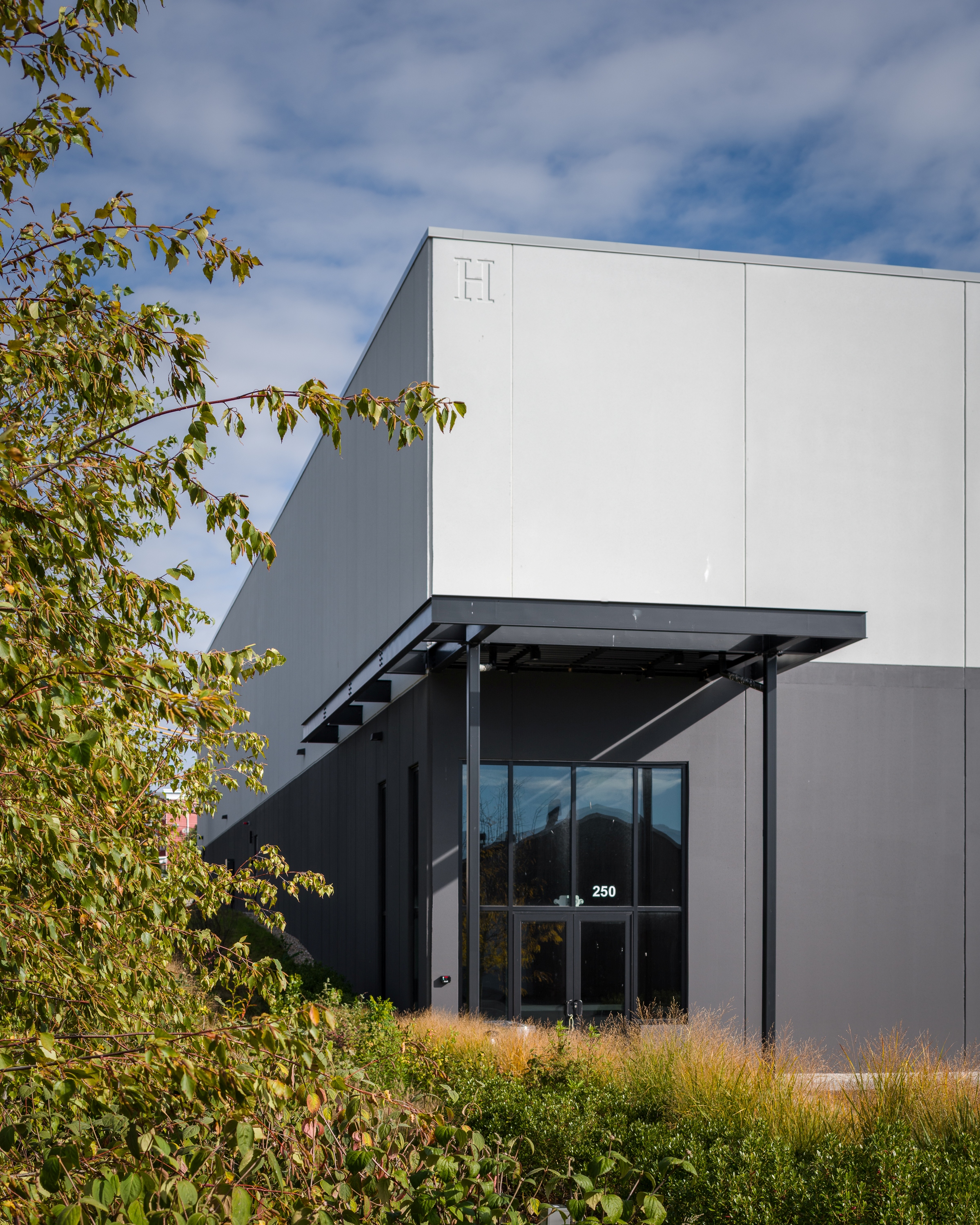
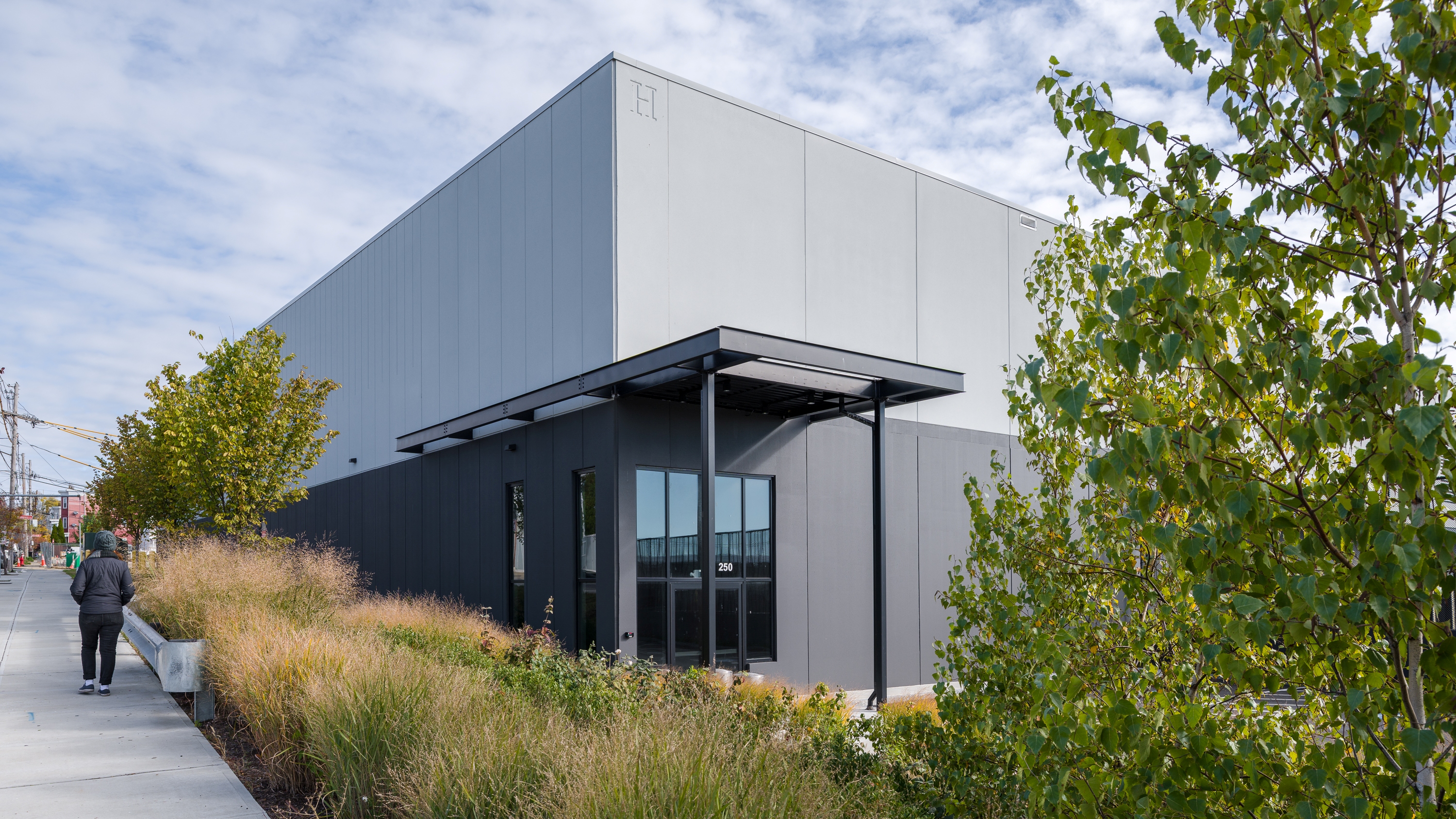
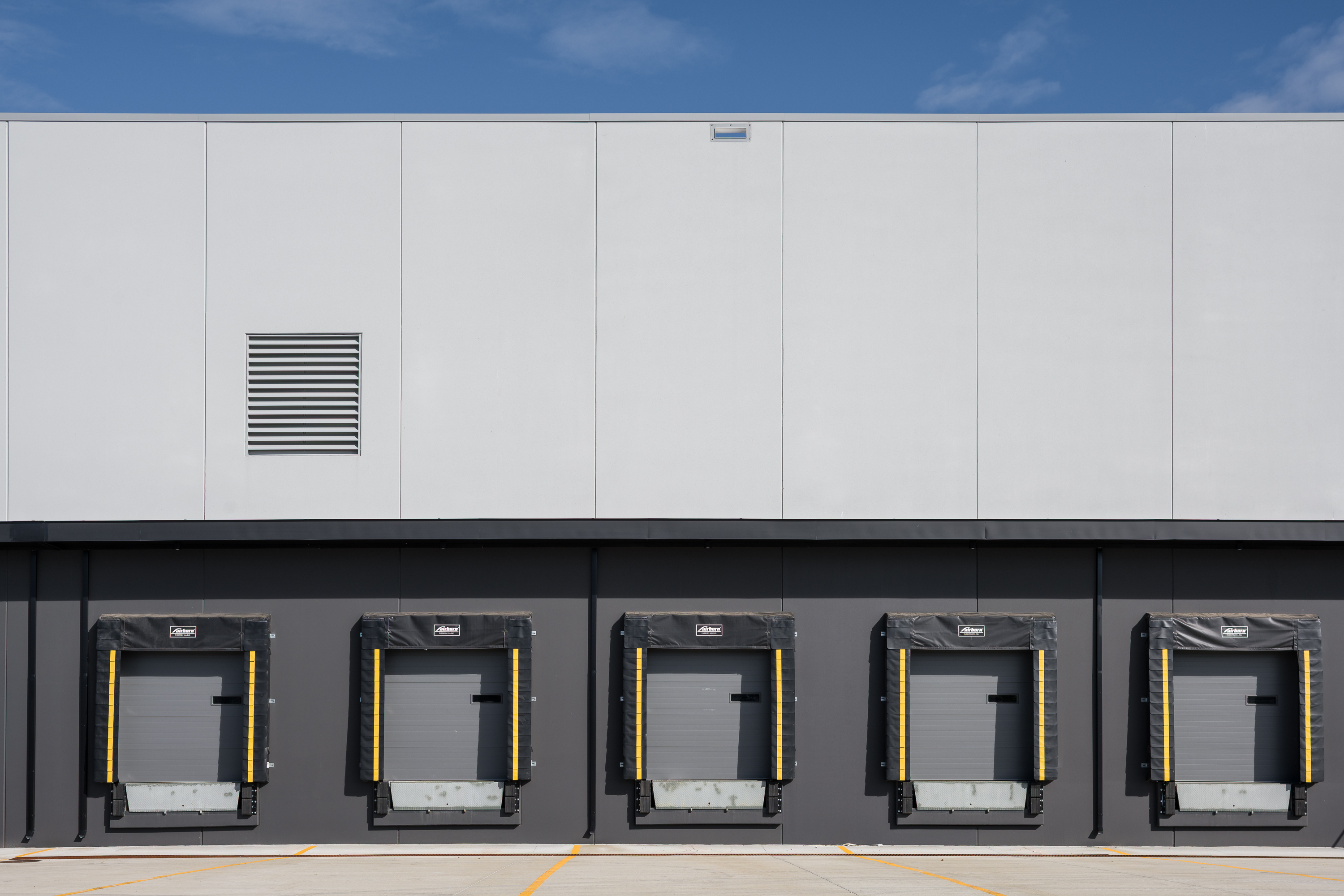
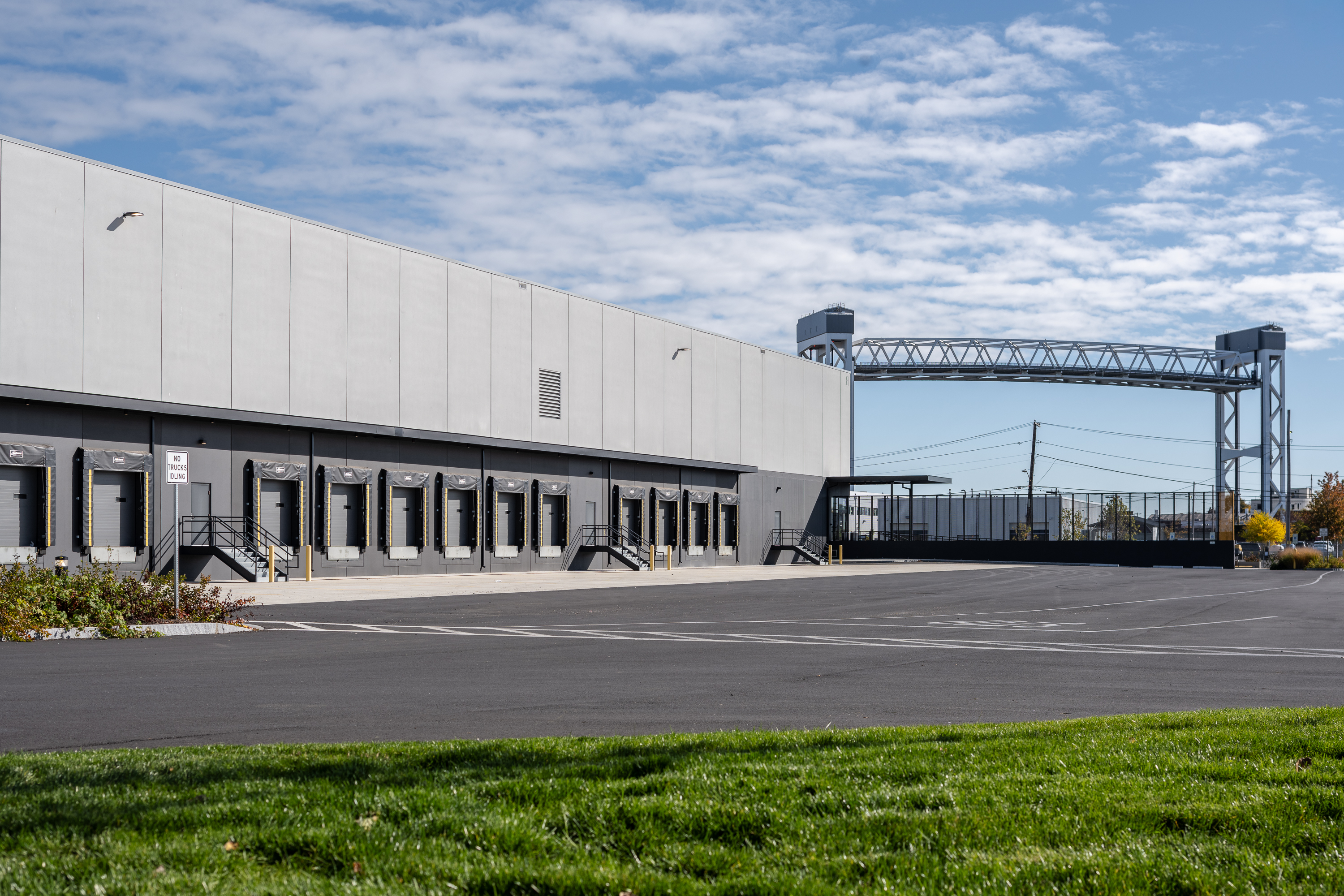
Chelsea Point shows how to accommodate large scale logistics and distributions facilities in proximity to residential neighborhoods.
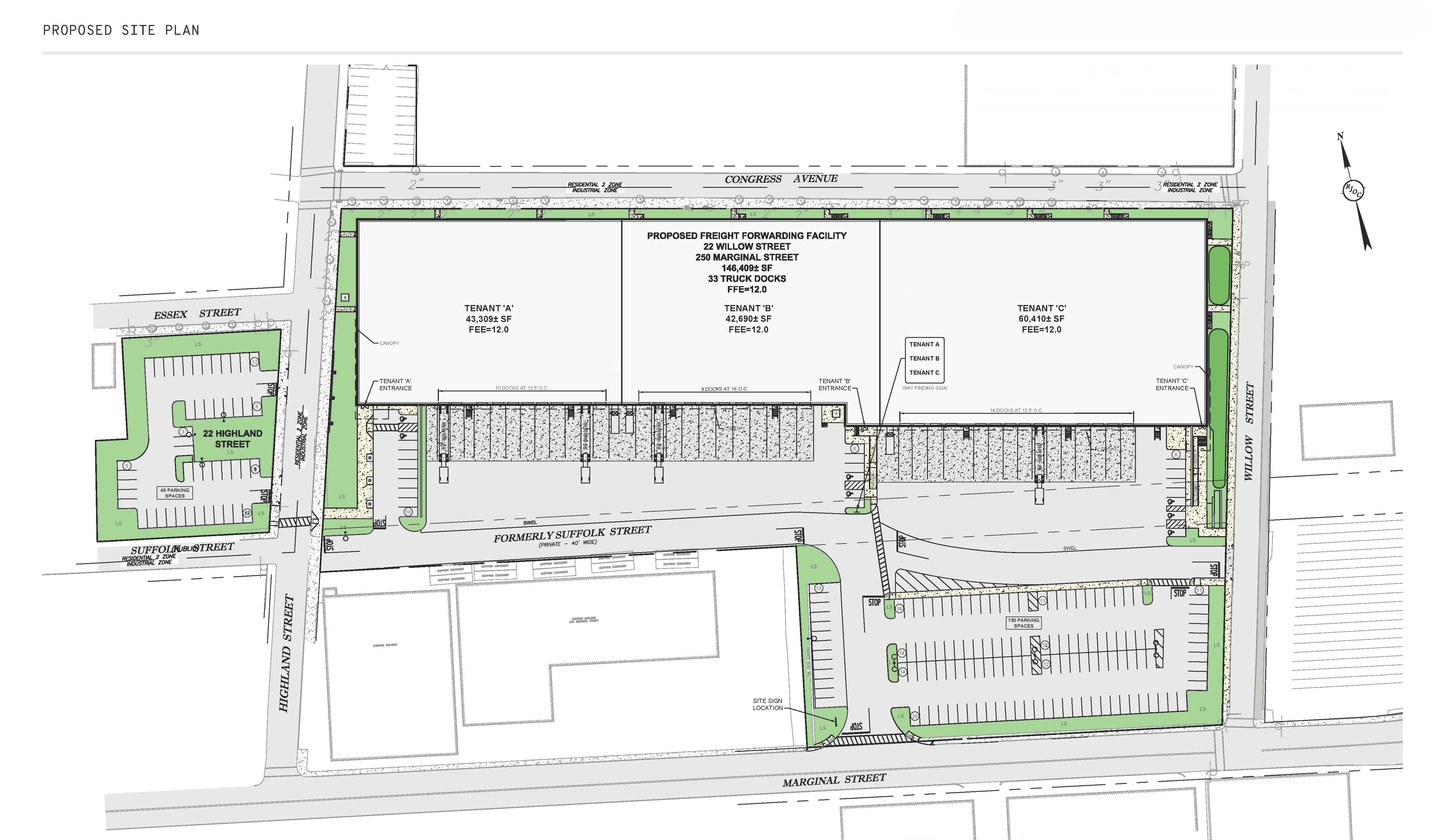
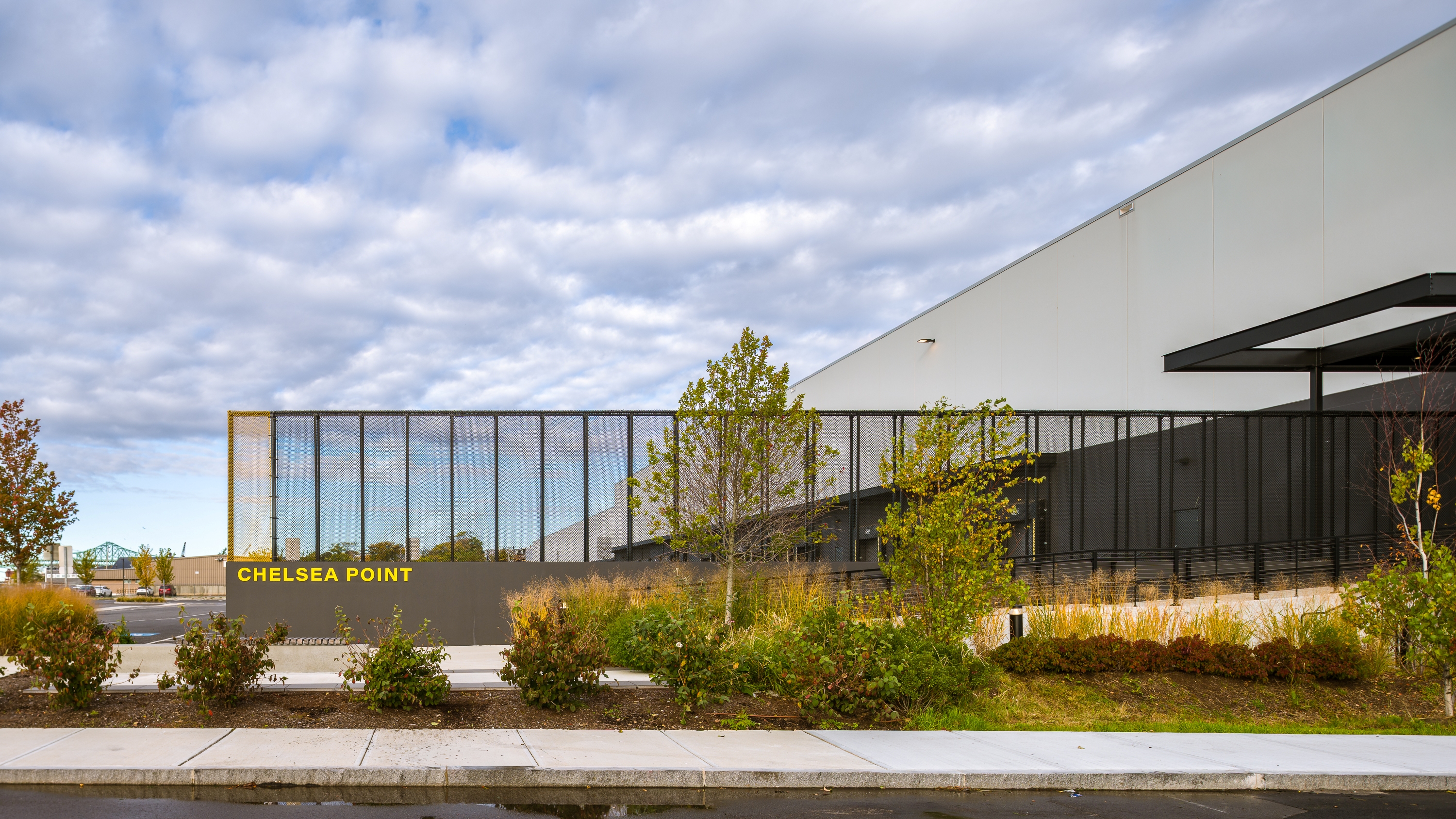
This 3+ acre floorplate is raised above the floodplain, and a series of graded walks and ramps wrap around planted beds and improved landscaping.

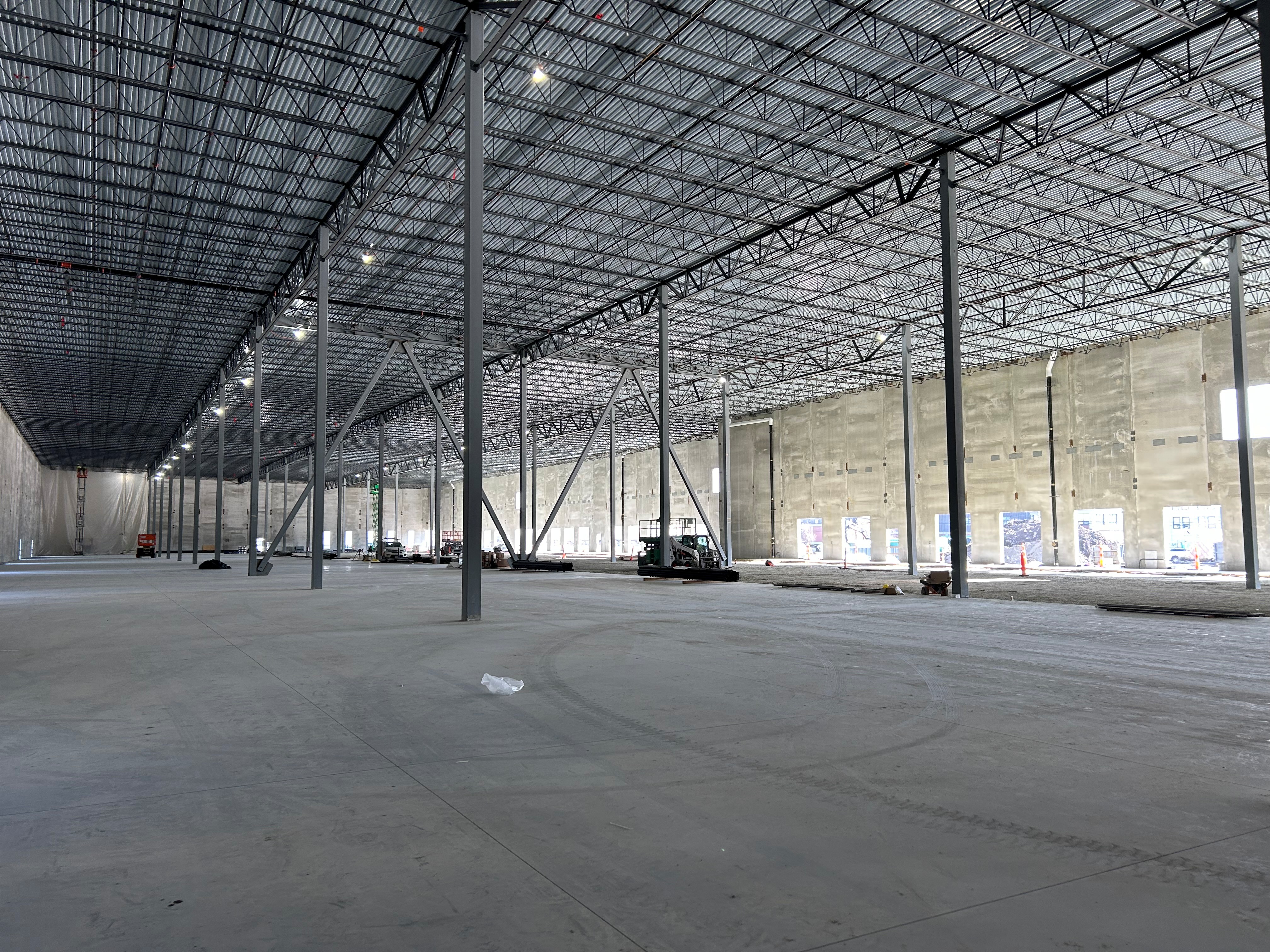
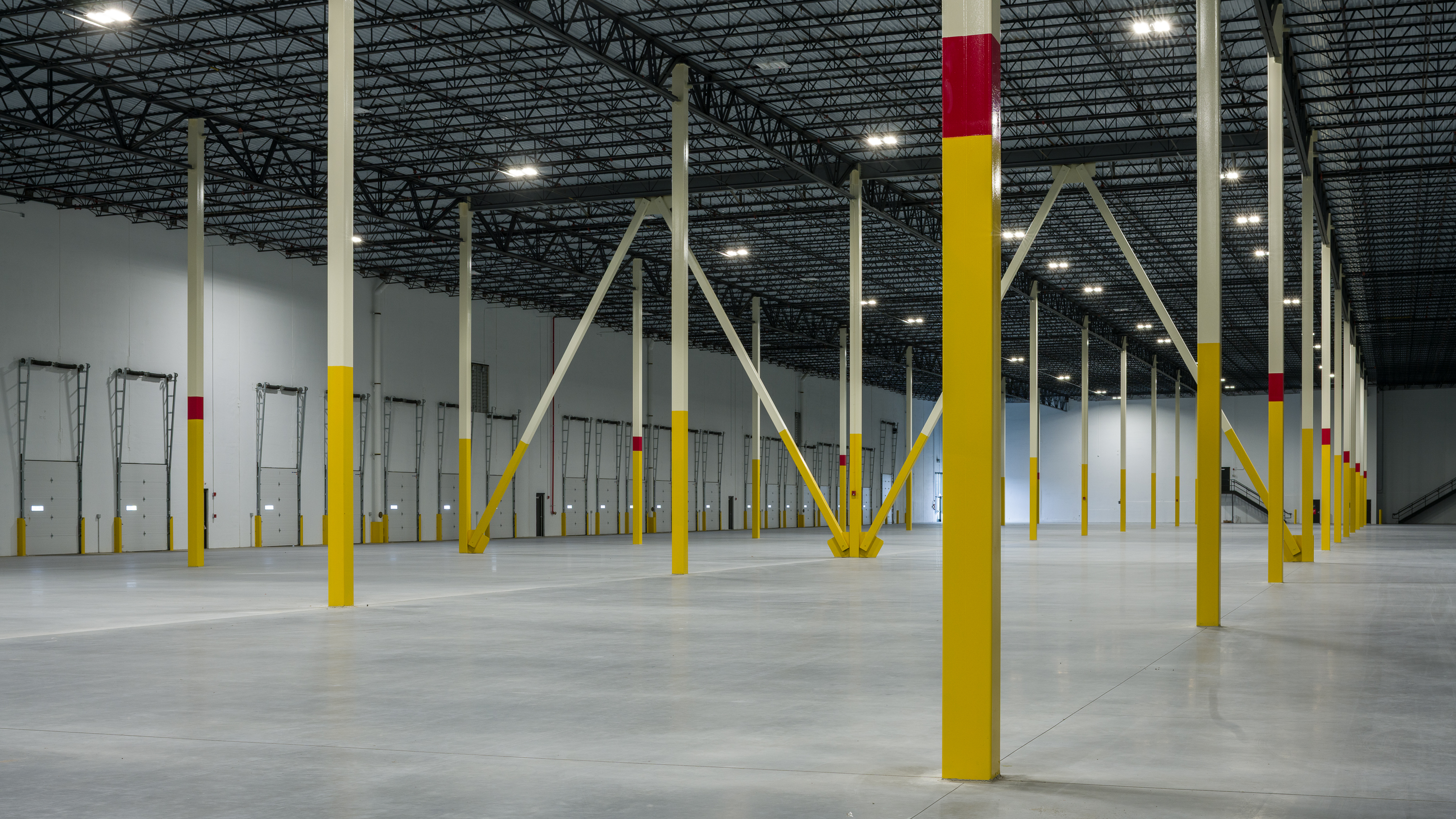
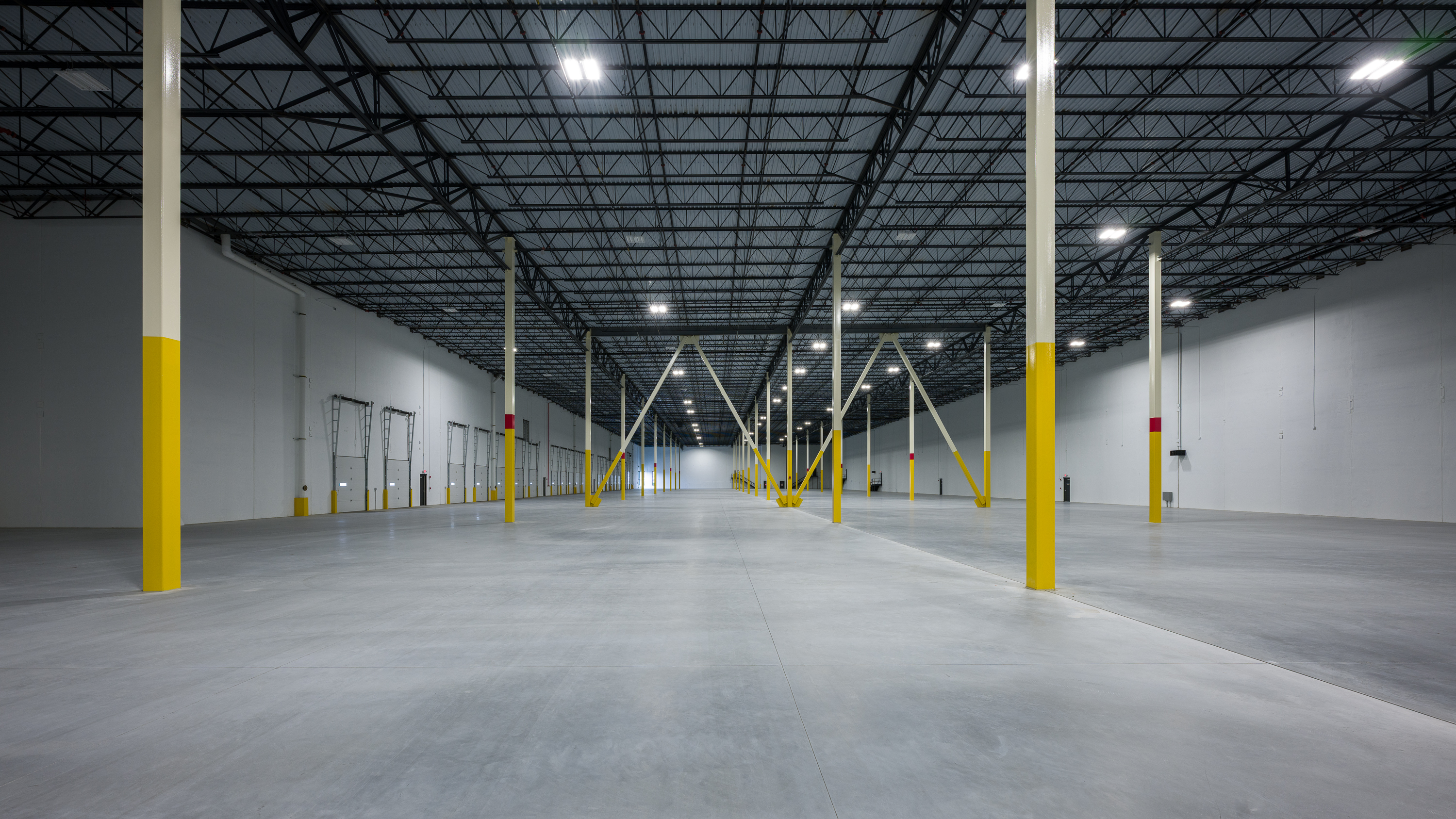
High-bay logistics facilities have many fixed requirements. RODE balanced those needs with a perspective on how this new development can improve the neighborhood.

RELATED Perspectives
Chelsea Point featured at ACSA Vancouver
Principal Kevin Deabler attended this year's meeting of the Association of Collegiate Schools of Architecture's conference in Vancouver to discuss RODE's partnership with a Northeastern University research team led by Michelle Laboy.
The research team is sharing preliminary findings studying RODE's work at Chelsea Point, a large-scale industrial facility currently under construction in Chelsea, MA. The pilot site is funded by the 2022 Latrobe Prize of the AIA College of Fellows.
Chelsea Point - RODE
Researchers are collaborating with the City of Chelsea to test how sensor data and models can measure health hazards and the before / after effects of green infrastructure in architectural developments, and how to use those findings to support design.
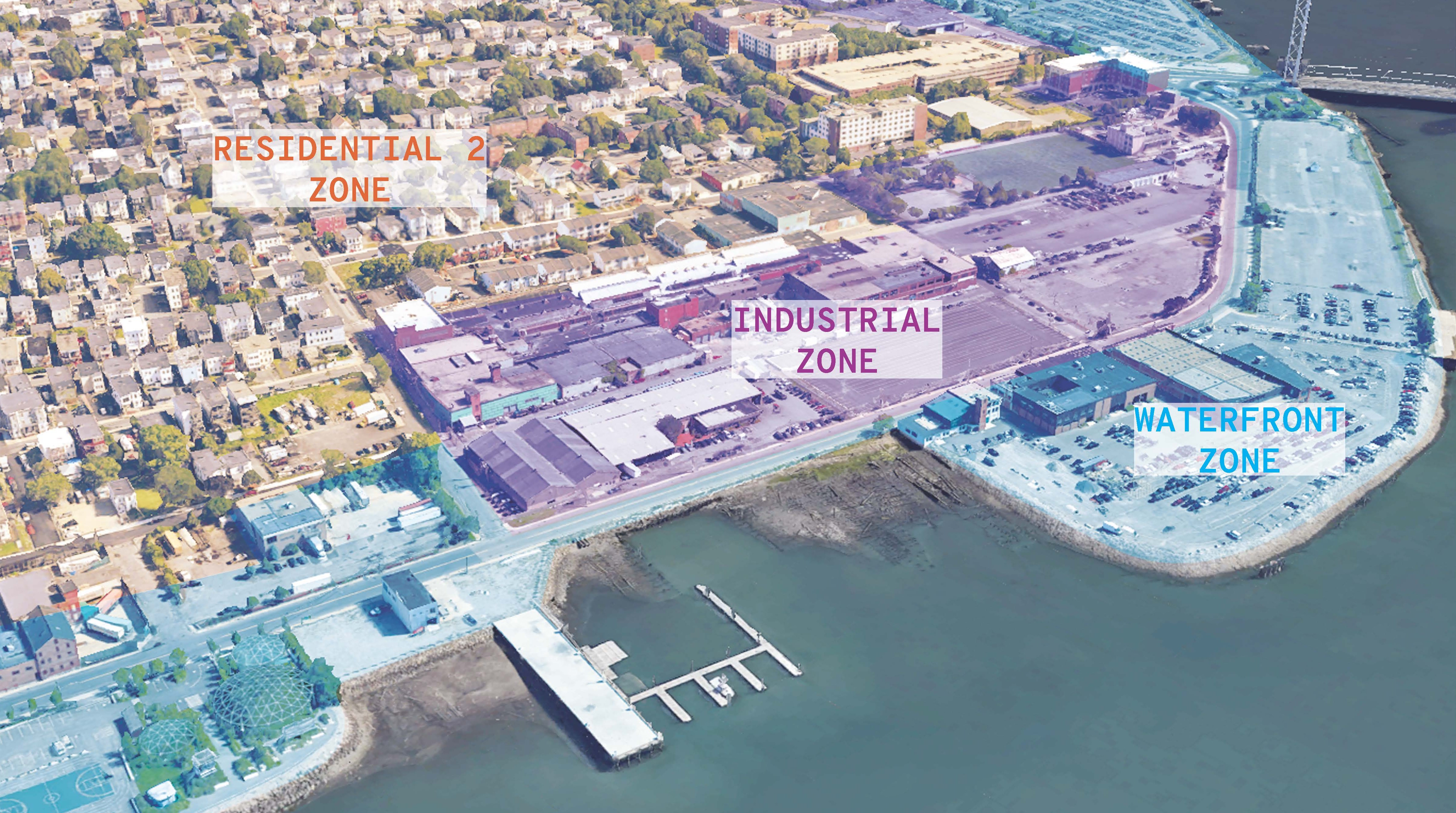
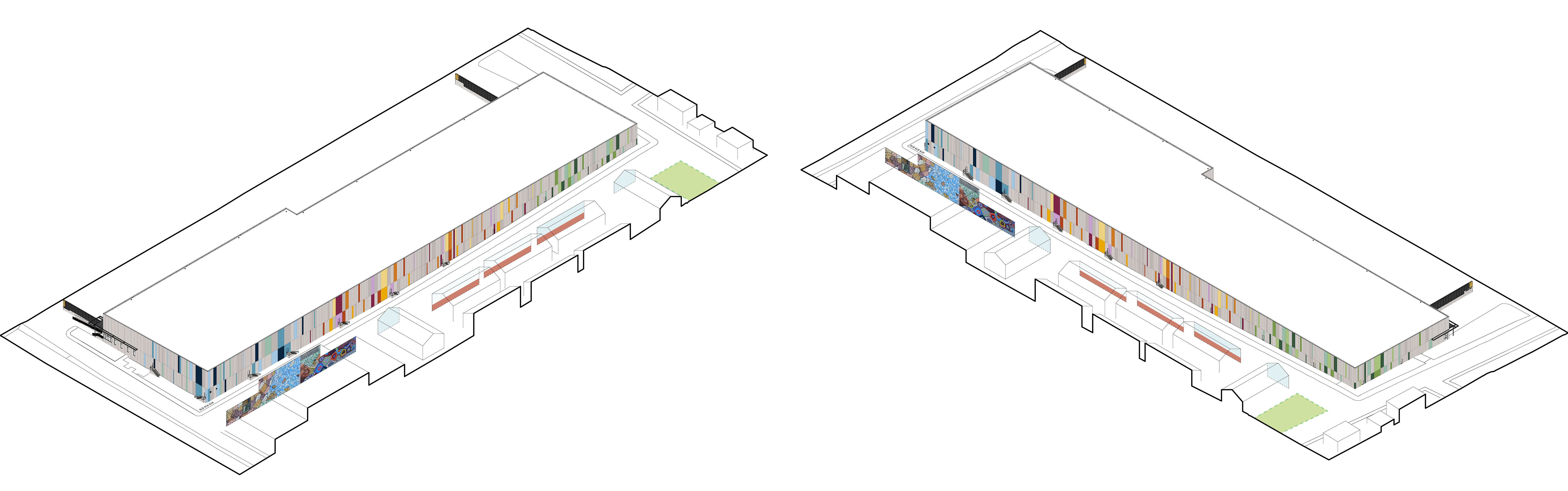
Chelsea Point is intended to cater to large-scale distribution and logistics tenants, eager for locations with good access to urban centers and transit hubs. The project abuts a dense urban residential neighborhood, and incorporates a variety of green infrastructure improvements and interventions to modernize the neighborhood's industrial heritage:
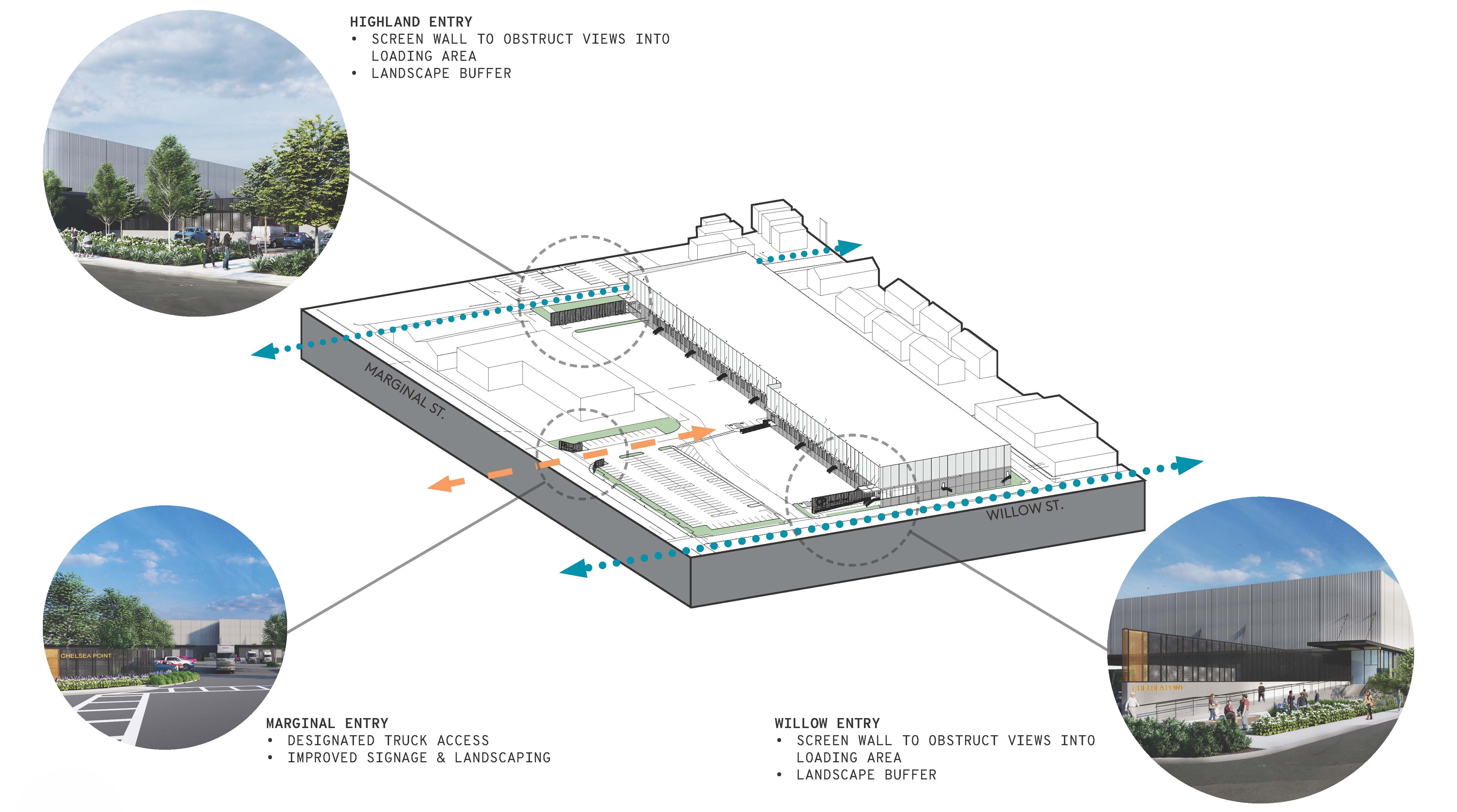
- the design arranges the industrial program to leverage site topography and existing traffic patterns, minimizing the impact of the new use on the residential neighborhood
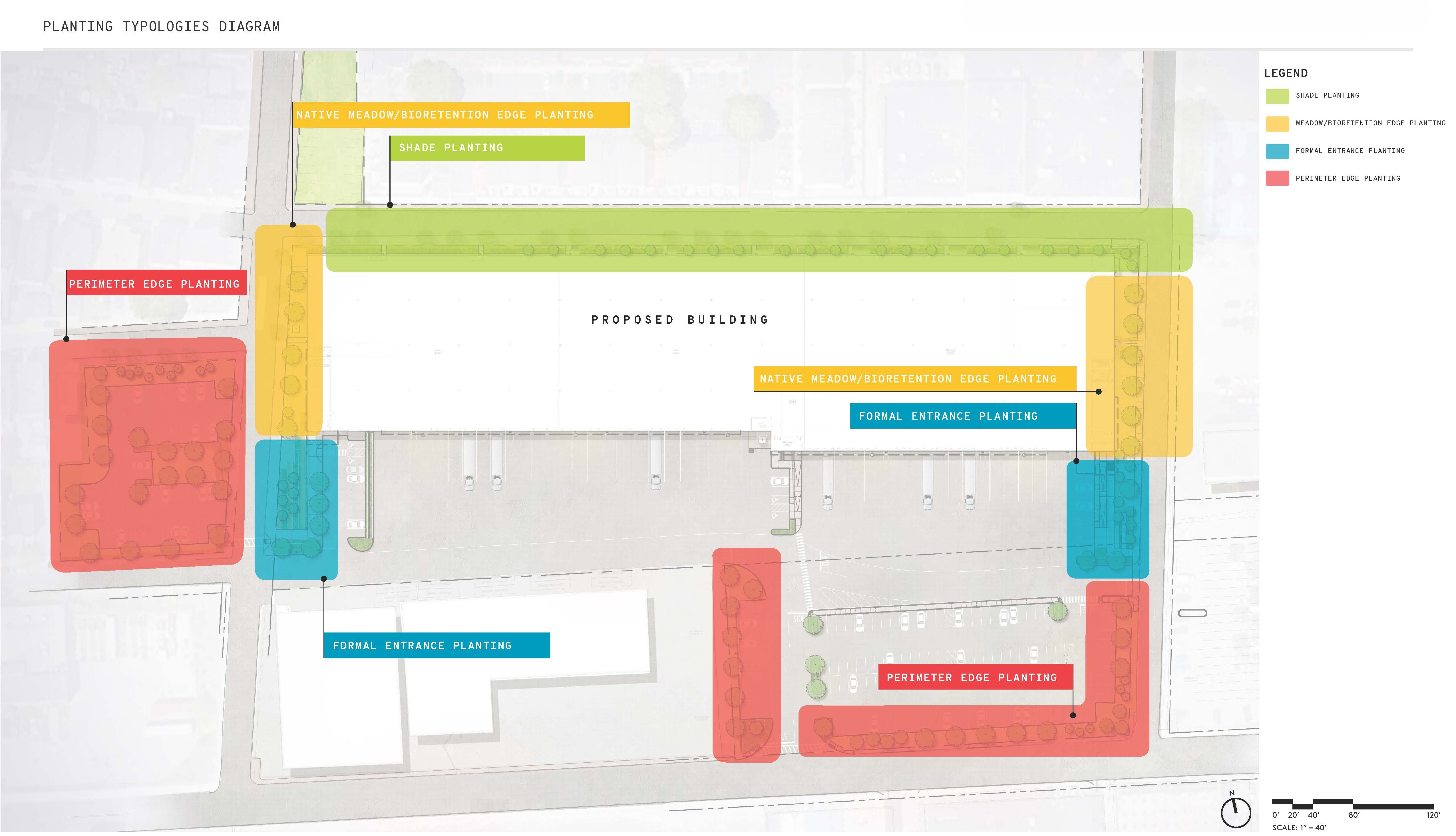
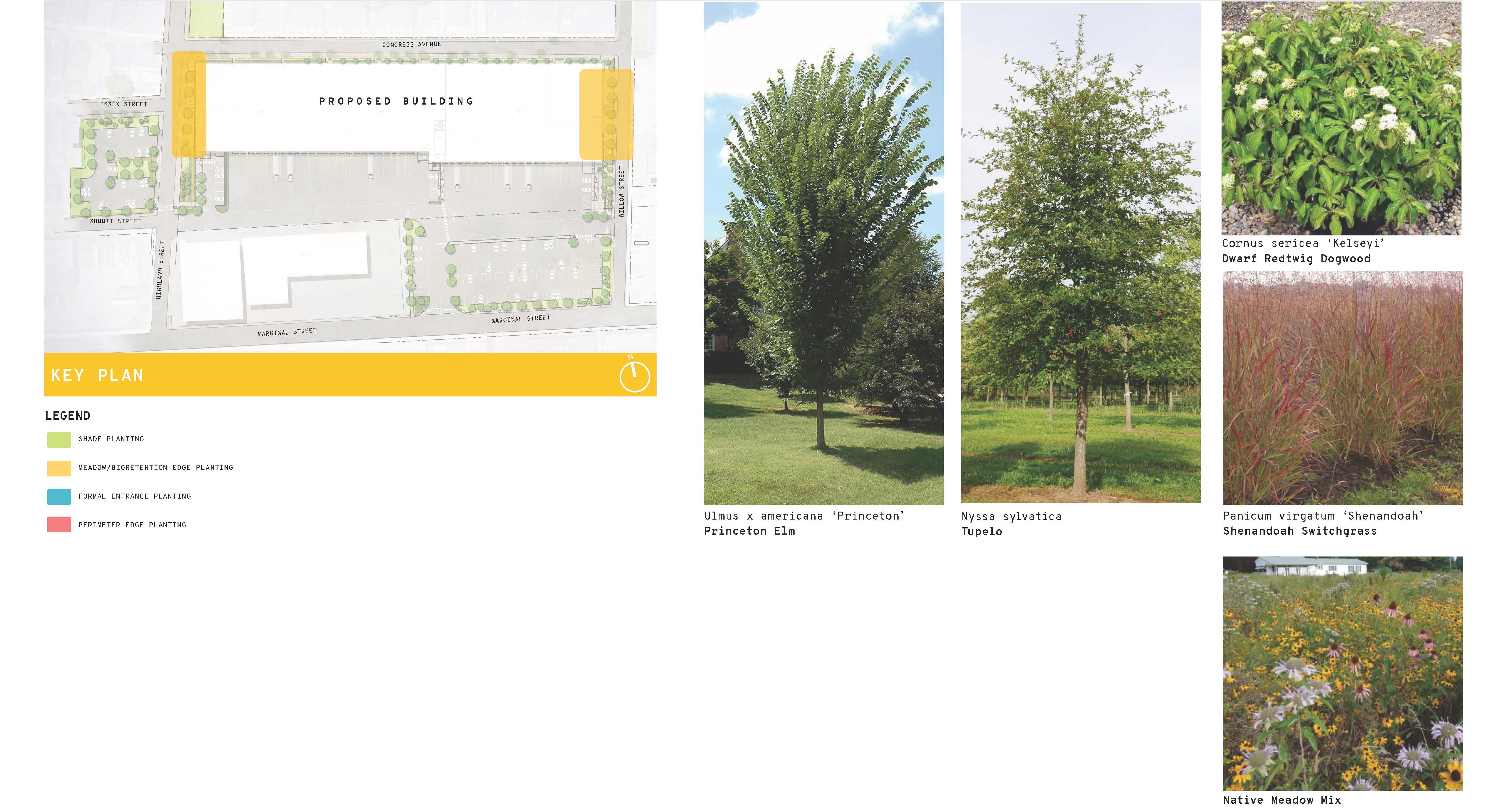
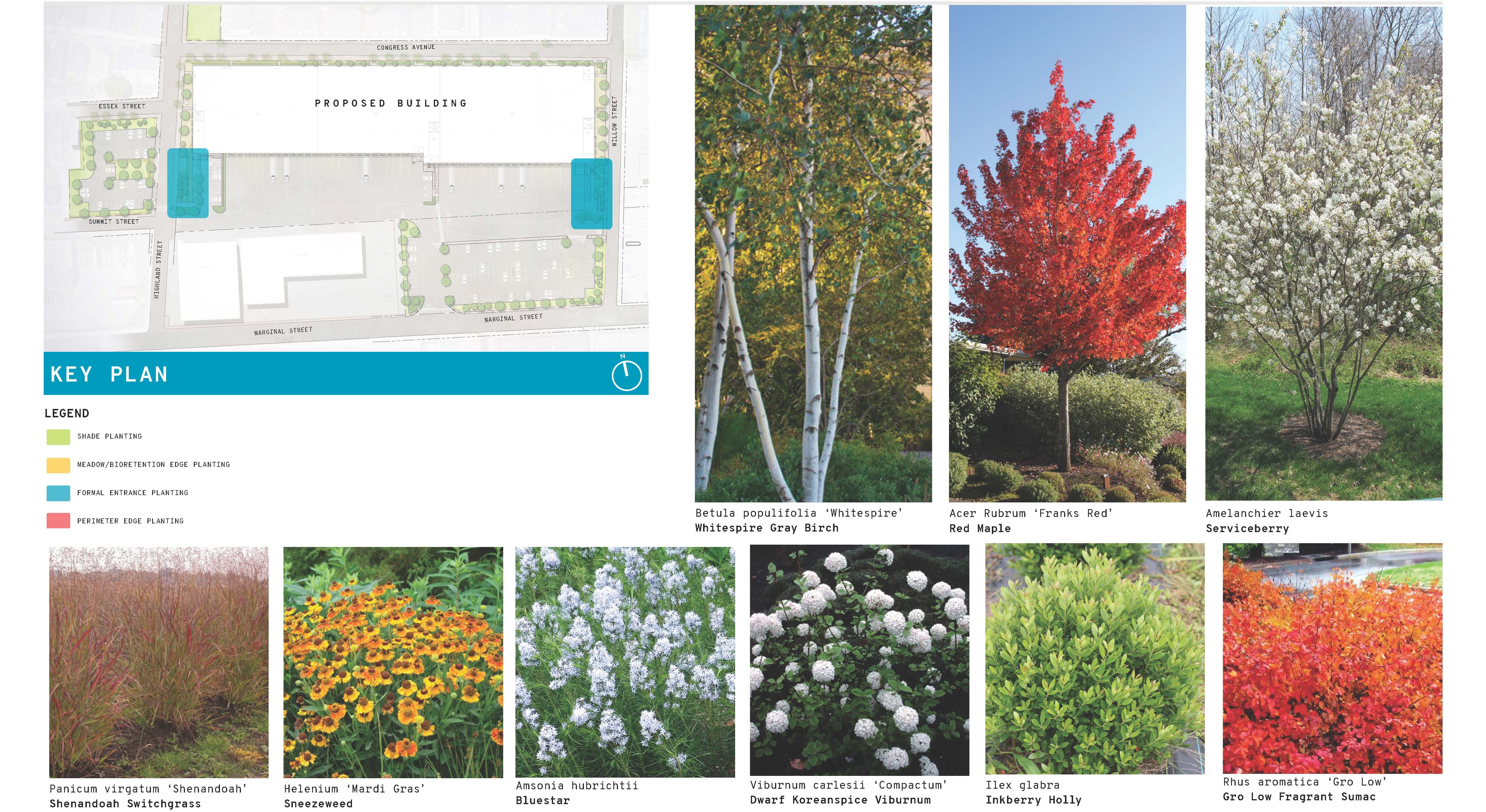
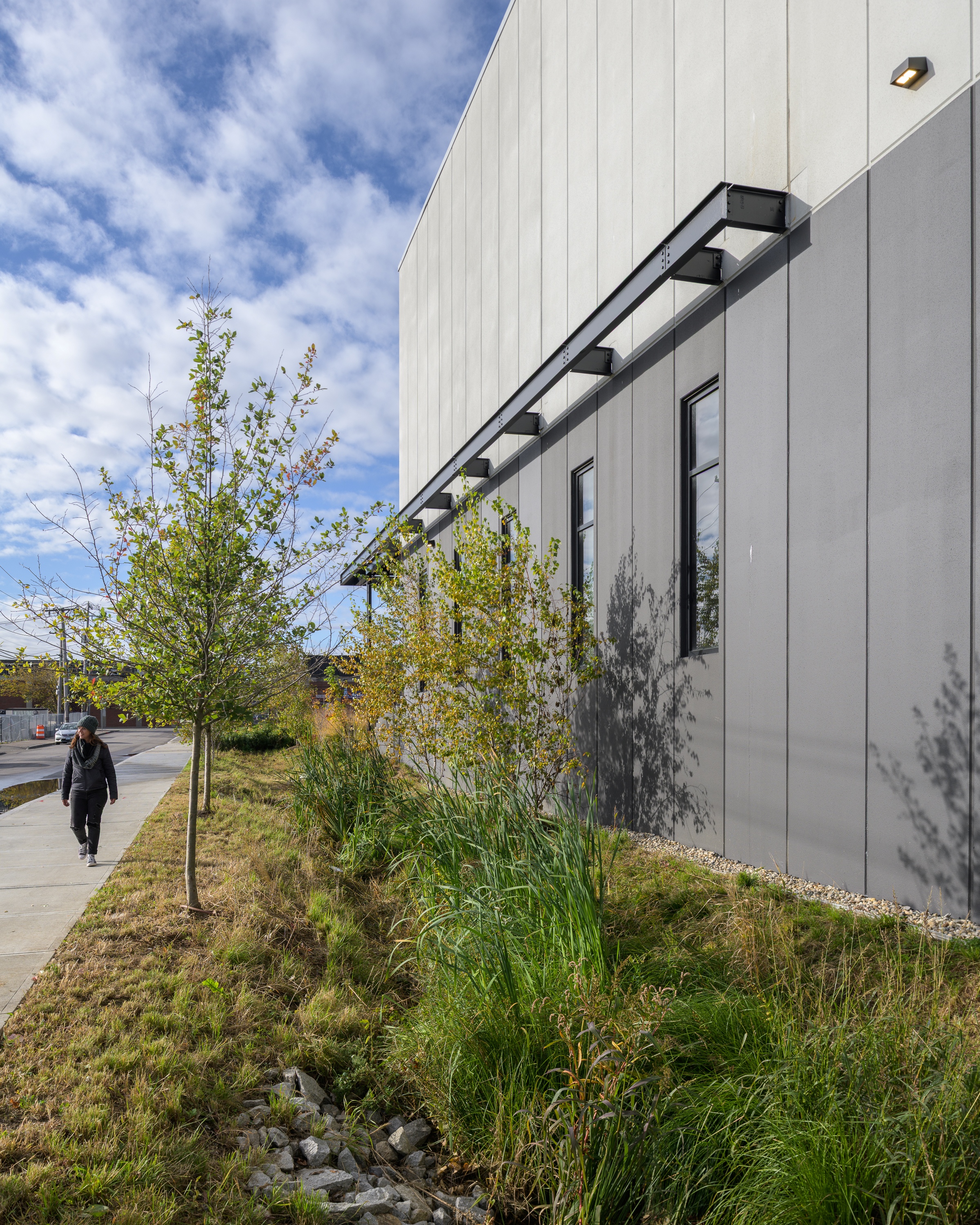
- the building far exceeds the required setbacks where it faces the residential neighborhoods, allowing for generous landscaped streetscapes with native plantings, shade trees, and site furnishings.
- new shade trees visually screen the loading docks from residential areas, and reduce the heat island effect
- the development significantly reduces impervious cover, with new native landscaping that requires no irrigation, and an improved stormwater management approach
- the finished floor is elevated to provide 2' of freeboard to address potential coastal flooding


